Cart
0
You may also like
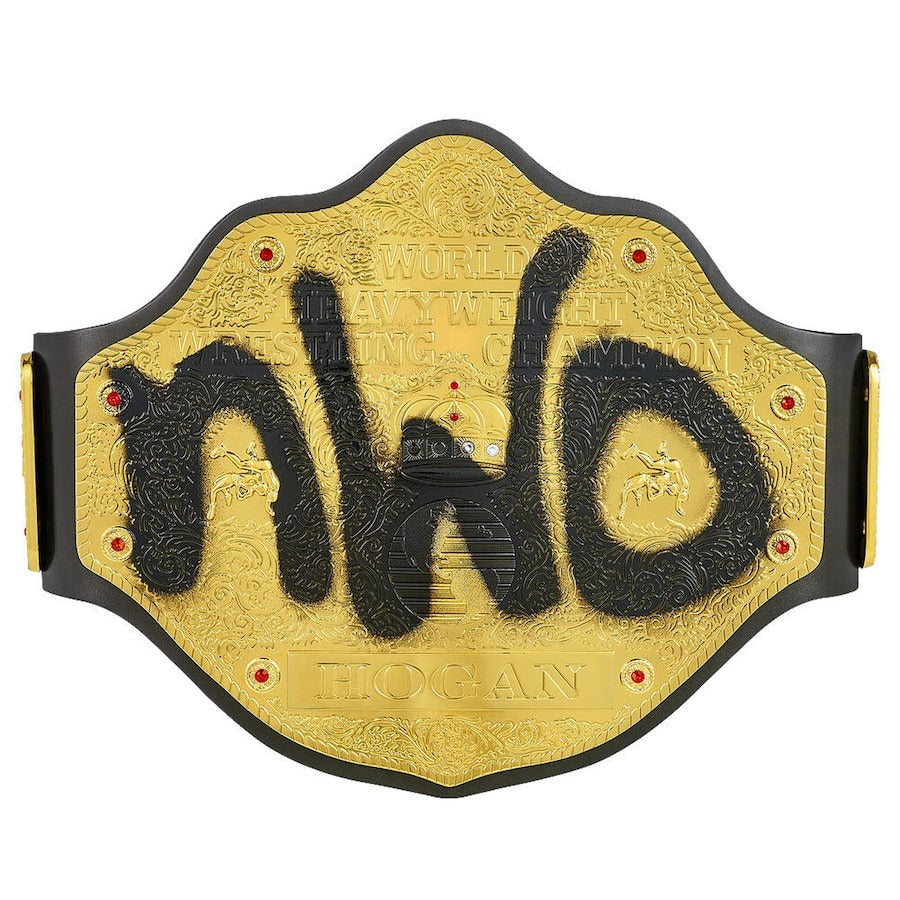
''Hollywood'' Hulk Hogan nWo Signature Series Championship Replica Title Belt
On sale from $140.00
+ Add to Cart


You may also like

Some wrestling belts represent one champion. The Winged Eagle Championship Belt represents an entire era.
Used from 1988 to 1998, this celebrated design appeared during the rise of Hulk Hogan, the championship reigns of Randy Savage and Ultimate Warrior, the New Generation years of Bret Hart and Shawn Michaels, and the beginning of the Stone Cold era.
Its detailed gold plates, spread eagle, central globe and traditional black strap gave the championship a timeless appearance. Decades after its retirement, the Winged Eagle remains one of the most respected WWE title belts among wrestling fans and collectors.
The Winged Eagle Championship Belt was the main WWF Championship design used between 1988 and 1998. It was created by respected championship belt maker Reggie Parks and named after the large eagle spreading its wings across the center plate.
The belt was introduced when the company was known as the World Wrestling Federation. For that reason, collectors may refer to it as the WWF Winged Eagle belt, while modern product listings often use the name WWE Winged Eagle Championship Belt. Both names describe the same historic championship design.
Fans interested in how this title fits into the complete championship timeline can read our guide to the history of WWE championship belts.
The Winged Eagle made its television debut in February 1988 during The Main Event, when Hulk Hogan defended the WWF Championship against Andre the Giant in their WrestleMania III rematch.
The match became one of the most controversial title changes of its time. Andre defeated Hogan after a disputed referee count and then handed the championship to Ted DiBiase. WWF President Jack Tunney refused to recognize the transfer and declared the title vacant.
A tournament was held at WrestleMania IV to crown a new champion. Randy Savage defeated Ted DiBiase in the final and left the event with the Winged Eagle Championship Belt. That moment helped establish the design as the symbol of WWF’s next chapter.
According to WWE’s official championship history, the design remained the company’s leading prize for nearly a decade.
The Winged Eagle was created by Reggie Parks, a professional wrestler and championship belt maker whose work shaped the visual identity of several wrestling promotions.
Parks also produced other respected championship designs, including the classic Intercontinental Championship. His work combined traditional championship imagery with detailed engraving and balanced plate shapes.
In a WWE interview about championship belt design, belt maker Dave Millican explained that WWF wanted an eagle that consumed the main plate. Parks turned that simple direction into a design that fans still recognize immediately.
The eagle did not look like a small decorative detail. It dominated the belt, giving the championship the commanding presence expected from the company’s highest title.
The Winged Eagle Championship Belt has a detailed appearance, but every major element serves a clear purpose.
The eagle is the defining feature of the belt. Its wings extend across the upper part of the center plate, creating a wide and powerful silhouette.
Eagles have long represented strength, victory, authority and freedom. In this championship, the bird made the title look prestigious without overwhelming the other plate details.
A globe appears beneath the eagle to communicate the champion’s status as a world titleholder. During the late 1980s, WWF was growing far beyond its earlier regional audience. The globe supported the idea that the person wearing the belt stood at the top of an international wrestling company.
The wording on the center plate clearly identified the holder as the World Heavyweight Wrestling Champion. This traditional presentation made the title feel like a sporting award rather than a piece of promotional branding.
The gold finish reflected arena lighting beautifully and made the engraving visible on television. The center plate contained enough detail to feel important while remaining readable from a distance.
The side plates completed the design without competing with the large center eagle. Their traditional wrestling imagery, decorative patterns and balanced placement gave the belt a complete appearance when worn around the waist or carried over a champion’s shoulder.
The standard Winged Eagle used a black strap, allowing the gold plates to remain the visual focus. This combination created the version most commonly associated with Randy Savage, Hulk Hogan, Bret Hart, Shawn Michaels and many other champions.
Collectors who prefer this traditional appearance can view the WWE Winged Eagle Championship Replica.
Ultimate Warrior brought a more personal style to the WWF Championship during his reign. Instead of using only the traditional black strap, he carried versions with white, purple and blue straps.
The gold plates largely remained the same, but changing the strap color gave the belt a noticeably different character. The colored versions matched Warrior’s bright face paint, tassels and energetic presentation.
These variations are historically important because they showed that a championship could reflect the personality of its holder without replacing the main plate design.
Fans who remember Warrior’s colorful championship presentation can compare the WWE White Winged Eagle Championship and the Purple WWE Winged Eagle Championship.
The white version offers a brighter and cleaner display, while the purple strap has a stronger connection to Ultimate Warrior’s colorful championship era.
The Winged Eagle was carried by many of the most influential champions in WWF history.
Hulk Hogan carried the new design during its first television appearance against Andre the Giant. His connection with the belt linked it to the final years of wrestling’s 1980s boom.
Randy Savage won the vacant WWF Championship at WrestleMania IV. Images of Savage holding the Winged Eagle beside Miss Elizabeth remain among the most memorable championship scenes of that period.
Ultimate Warrior defeated Hogan at WrestleMania VI in a rare championship match between two of the company’s biggest stars. His use of colored straps also created some of the belt’s most recognizable variations.
The Undertaker won his first WWF Championship from Hulk Hogan at Survivor Series 1991. Although the reign was short, seeing the Winged Eagle in the hands of the company’s most mysterious character gave the belt a different presence.
Ric Flair won the vacant WWF Championship in the 1992 Royal Rumble. His victory connected the Winged Eagle with one of wrestling’s most respected world champions.
Bret Hart became closely associated with the belt during the New Generation era. His championship reigns presented the Winged Eagle as a prize that could be earned through technical wrestling, endurance and consistency.
Shawn Michaels won his first WWF Championship from Bret Hart at WrestleMania XII. The image of Michaels celebrating with the belt helped define one of the biggest moments of his career.
Steve Austin won the WWF Championship at WrestleMania XIV. He was the final champion to carry the Winged Eagle before the company introduced a new title design the following night.
Other champions who held the design included Andre the Giant, Sgt Slaughter, Yokozuna, Diesel and Sycho Sid. This remarkable group is one of the main reasons the belt remains so important to wrestling history.
The Winged Eagle Championship Belt was retired on March 30, 1998.
One night after Steve Austin defeated Shawn Michaels at WrestleMania XIV, Mr. McMahon presented Austin with a new championship on Raw. The replacement had a larger and more rounded center plate and became closely associated with the Attitude Era.
The change made sense for WWF’s new presentation. Characters were becoming louder, storylines were becoming more aggressive and television production was changing. The company wanted a championship that matched its new direction.
The Winged Eagle had connected the Hulkamania and New Generation periods. Its retirement marked the end of those eras and the beginning of a different style of WWF programming.
The Winged Eagle remains popular because it achieved a balance that many championship designs struggle to match.
It was detailed without looking crowded. It included the company identity without turning the entire center plate into a logo. It looked natural around the waist, over the shoulder and raised above a champion’s head.
Nostalgia is also an important factor. Wrestling fans saw this belt during WrestleMania main events, Royal Rumble victories and title matches involving some of the most respected performers in the industry.
Its ten year run also gave the design time to build a meaningful history. Rather than representing one wrestler, it became connected with several generations of champions.
WWE ranked the Winged Eagle among the most beautiful championships in its history and described it as the standard by which many dedicated fans judge other title designs.
The Winged Eagle is a strong choice for collectors who value wrestling history, traditional championship design and recognizable presentation.
Before choosing a replica, consider how you plan to use it.
Choose the black strap version if you want the appearance most commonly seen throughout the belt’s original run. It pairs naturally with other classic WWE title belts and suits collections focused on wrestling history.
A white or purple strap is more suitable if your collection is inspired by Ultimate Warrior. These colors are visually distinctive and immediately separate the belt from the standard black version.
Pay attention to plate detail, finish, strap material and overall dimensions. A belt displayed on a wall or stand should have clear engraving and balanced plate alignment.
Check the complete belt length, waist fit and weight before ordering. A thicker plate can create a more substantial feel, but it will also increase the weight you need to carry.
Our guide to championship belt plate thickness explains how different plate options affect weight, appearance and handling.
Do not judge a replica by plate thickness alone. The plate material, engraving depth, finishing and strap quality also affect the final appearance. Our comparison of zinc and brass championship belt plates can help you understand the differences before choosing.
From our experience helping wrestling fans compare replicas, the best option is not always the heaviest one. A good purchase should match your intended use, preferred era, display space and budget.
Proper care helps protect the plates and strap from avoidable damage.
Hold the belt from underneath instead of lifting it by one end of the strap.
Wipe fingerprints from the plates with a clean microfiber cloth.
Keep the belt away from moisture, direct sunlight and strong cleaning products.
Support the center plate properly when displaying the belt.
Avoid folding the strap sharply around the plates.
Store the belt in a protective cover when it is not on display.
Check the care instructions provided with your specific replica before applying any leather or metal product.
These simple steps can help preserve the finish, engraving and strap shape for longer.
The Winged Eagle Championship Belt remains one of the clearest symbols of classic WWF wrestling. It was present during major changes in the company, carried by several generations of champions and retired at the exact moment a new era was beginning.
Its legacy comes from more than nostalgia. Reggie Parks created a championship that communicated prestige through proportion, imagery and craftsmanship. The spread eagle represented authority, the globe represented worldwide importance and the gold plates gave every champion a prize worthy of a main event.
Modern WWE championships have introduced larger logos and personalized side plates, but fans continue to return to the Winged Eagle because its design placed the idea of the world championship first.
Whether you remember Randy Savage at WrestleMania IV, Ultimate Warrior’s colored straps, Bret Hart’s championship matches or Steve Austin’s first title victory, the belt carries a different memory for every generation.
Fans ready to compare classic designs can view the available replicas at Championship Belts Online.
Reggie Parks designed the Winged Eagle Championship Belt. He was a professional wrestler and respected belt maker who created several famous championship designs for major wrestling promotions.
The belt debuted in February 1988 during The Main Event match between Hulk Hogan and Andre the Giant.
The Winged Eagle represented the WWF Championship from 1988 until March 30, 1998. It had a run of approximately ten years.
Hulk Hogan carried the belt during its first television appearance. Randy Savage became the first newly crowned champion to begin a major reign with the design after winning the WWF Championship tournament at WrestleMania IV.
Steve Austin was the final champion to carry the Winged Eagle. He won the WWF Championship from Shawn Michaels at WrestleMania XIV before receiving a new title design on Raw the following night.
Yes. Ultimate Warrior carried purple, white and blue strap variations during his WWF Championship reign. The plates remained largely consistent while the different straps matched his colorful presentation.
Yes. The belt was used when the company was called WWF, so WWF Winged Eagle is the historically accurate name. WWE Winged Eagle is commonly used today in product listings and modern discussions.
Choose the black strap for the traditional version associated with most champions. Choose white or purple if you prefer the Ultimate Warrior presentation. Also compare plate material, thickness, engraving, belt length and strap quality before buying.


Bring home the glory of your favorite champions. Explore premium replica belts with detailed plates, durable leather, and an authentic championship feel.
👉 Shop WWE Replica Belts


