Cart
0
You may also like
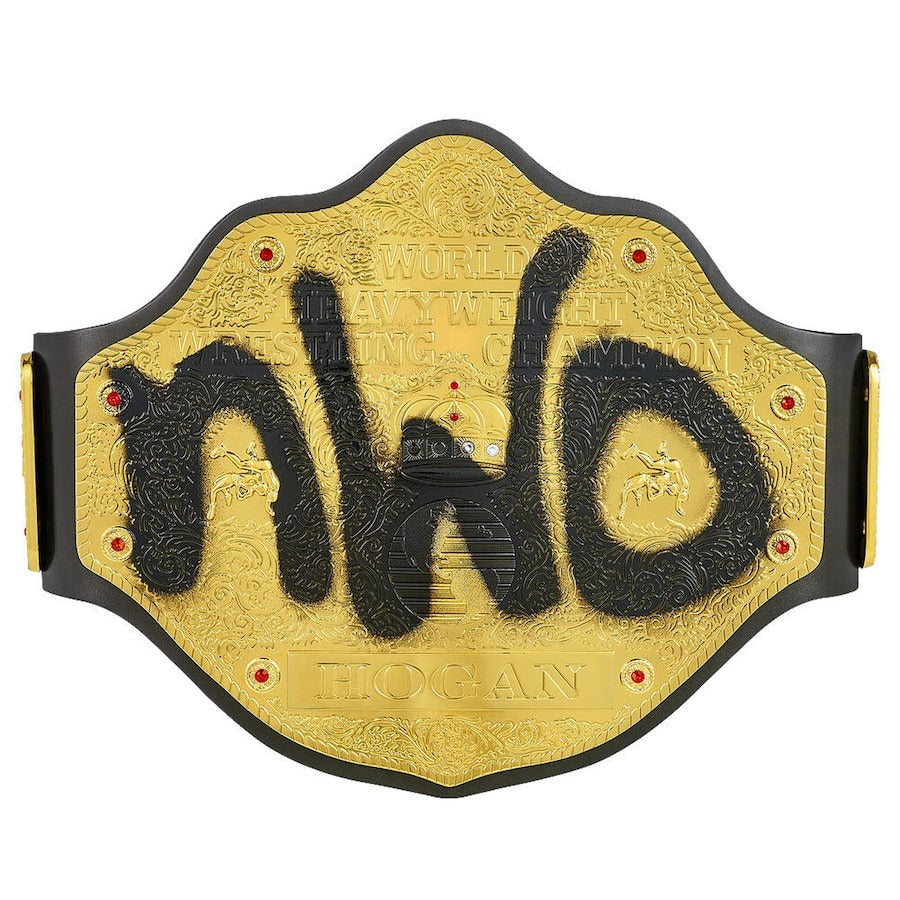
''Hollywood'' Hulk Hogan nWo Signature Series Championship Replica Title Belt
On sale from $140.00
+ Add to Cart


You may also like

When you are investing in a championship belt, one of the most important decisions you will face is choosing between zinc alloy and brass belt plates. This single choice affects everything from how your belt looks on day one to how it holds up years down the road. Whether you are ordering a custom wrestling title belt, a martial arts award, a promotional piece, or a collector's display, the plate material is the backbone of your entire investment.
This guide breaks down the real differences between zinc and brass championship belt plates, without the marketing fluff, so you can walk away knowing exactly which material fits your needs, your budget, and your goals.
|
Feature |
Zinc Alloy Plates |
Brass Plates |
|
Weight |
Lighter |
Heavier and denser |
|
Cost |
More affordable |
Premium pricing |
|
Durability |
Good for regular use |
Superior long term |
|
Detail Sharpness |
Excellent fine detail |
Excellent fine detail |
|
Plating Retention |
Good |
Outstanding |
|
Best For |
Replicas, displays, events |
Heirloom, professional, heavy use |
|
Corrosion Resistance |
Moderate |
High |
|
Appearance Over Time |
May dull with heavy wear |
Ages gracefully, retains luster |
Before comparing the two materials, it helps to understand what each one actually is.
Zinc alloy, often referred to as zamak in the manufacturing world, is a blend of zinc with small amounts of aluminum, magnesium, and copper. It is a widely used die casting metal prized for its ability to capture fine detail at a lower production cost. In the championship belt industry, zinc alloy plates are cast using high pressure molds that reproduce intricate logos, eagle wings, globe designs, and decorative borders with impressive precision.
Brass is a copper zinc alloy, typically composed of around 60 to 70 percent copper with the remainder being zinc. It is a dense, heavy metal with a naturally warm golden tone and excellent resistance to tarnishing. Brass has been used in premium hardware, trophies, and decorative metalwork for centuries, and in championship belt manufacturing it represents the top tier of plate construction.
Both materials can be electroplated with gold, silver, nickel, or other finishes to achieve the gleaming look that championship belts are famous for. The plate base material, however, determines how well that plating adheres, how long it lasts, and how the belt feels when worn.
One of the first things belt collectors and wrestling fans notice is how a championship belt feels when they hold it. The plate material plays a huge role in that tactile experience.
Zinc alloy plates are noticeably lighter than brass. For a large main event style belt with multiple side plates, zinc construction can keep the overall weight at a more manageable level. This matters for costume wear, long promotional events, photo shoots, and anyone who plans to wear the belt for extended periods.
Brass plates, by contrast, carry real heft. A full sized brass belt feels substantial and authoritative in a way that is difficult to replicate with lighter materials. Many buyers who are after the most authentic, professional grade championship belt experience specifically seek out brass plated designs because that weight communicates quality instantly. When you lift it, it feels like an achievement.
If you have ever wondered why certain WWE title belts feel so commanding in person compared to cheaper replicas, the answer often comes down to plate material and thickness. You can also explore our guide on 4mm vs 6mm vs 8mm championship belt plates to understand how plate thickness compounds the weight and durability conversation even further.
Both zinc and brass can produce stunning championship belt plates. Modern casting and electroplating techniques mean that at first glance, a well made zinc plate and a brass plate can look nearly identical right out of the box.
Where the difference becomes visible is over time and under close inspection.
Zinc alloy captures fine details beautifully during casting, which is why it is the go to choice for detailed replica belts with complex designs including animals, crests, and ornamental scrollwork. However, because zinc is a slightly softer and more porous material, the electroplated surface can wear at high contact points over months or years of handling.
Brass has a denser grain structure that bonds better with electroplating. The gold or silver layer applied over brass tends to be more resilient and resistant to micro abrasions. Brass plates that are properly cared for maintain their showroom appearance far longer than zinc equivalents under the same conditions.
For display pieces or collector belts that sit behind glass most of the time, this distinction is minor. For belts that get worn, handled frequently, or used in active promotional contexts, brass genuinely holds its visual edge longer.
Let us be straightforward about durability, because this is where the brass versus zinc debate becomes most meaningful.
Zinc alloy is a strong material for its weight class. A quality zinc championship belt plate will not bend or crack under normal wear conditions. It handles bumps and general handling well. Where zinc begins to show its limitations is in extreme conditions: prolonged exposure to moisture, sweat, and salt can accelerate corrosion at the base metal level if the plating is ever scratched or compromised.
Brass is categorically more durable. It resists corrosion far better than zinc, handles repeated contact without the same risk of surface degradation, and when the plating does wear at an edge or high point, the warm golden tone of raw brass underneath is far more forgiving to the eye than the grayish tone of exposed zinc.
For anyone purchasing a belt they intend to keep for decades, pass down as a collector's item, or use in a professional wrestling or martial arts context where it will see regular handling, brass represents the smarter long term investment. You can explore our full range of legacy title belts to see how material quality shapes the heritage and permanence of a championship piece.
Here is where zinc alloy earns its widespread popularity. Brass costs significantly more as a raw material and is heavier to ship. The manufacturing process for brass plates, while similar to zinc in principle, involves more material cost and often more finishing labor.
As a result, zinc alloy championship belts are typically priced more accessibly than comparable brass designs. For buyers who want an impressive looking belt for a one time event, a promotional giveaway, a gift, or an entry level collector's purchase, zinc delivers excellent value. You get a visually striking piece that photographs beautifully and impresses in person without the premium price tag.
Brass championship belts sit in a higher price bracket, and rightfully so. The buyer who chooses brass is treating the belt as an investment: in quality, in longevity, and in the statement it makes about the award or achievement it represents. Organizations that present championship belts as ongoing titles in active promotions, or buyers who want a centerpiece display piece that will look impeccable for decades, will find that brass justifies every additional dollar.
Almost all championship belt plates are electroplated with a decorative metal finish. The most common options are gold plating, silver plating, and two tone combinations. Some specialty belts use rose gold, antique bronze finishes, or black nickel treatments.
The quality and longevity of the plating is directly influenced by the base metal beneath it.
Plating applied to brass adheres with greater mechanical strength because brass is denser and less porous. The plating layer sits on a stable foundation and resists micro peeling and chipping at edges. Gold plated brass, in particular, has a richness and depth of color that is noticeably different from the same plating on zinc.
Zinc alloy plating is entirely adequate for the vast majority of applications. However, because zinc has slightly more surface porosity, it can be more susceptible to plating delamination over time, especially in areas subject to regular friction. High quality zinc plating with proper sealing treatments reduces this risk considerably, and reputable belt manufacturers apply multi layer plating processes specifically to address it.
When you are customizing your championship belt design, choosing a plating finish is one of the most exciting parts of the process. Knowing your base material ahead of time helps you make better choices about finish type and thickness to get the most out of whichever metal you select.
For WWE and wrestling replica collectors: Zinc alloy is the standard in this category and performs beautifully. Most collectors prioritize visual accuracy and detail reproduction over raw material premium, and zinc delivers on both counts. If you are building a display collection of title belt replicas, zinc provides excellent fidelity at a price point that lets you acquire more pieces.
For active wrestling promotions: Brass is the professional recommendation. A championship title belt in an active wrestling promotion gets handled at every show, photographed under intense lighting, and becomes a visual centerpiece of your brand. The durability and plating retention of brass directly translates into a belt that continues looking incredible show after show, year after year.
For martial arts championships and combat sports awards: Brass again takes precedence here. Martial arts championship belts are presented at tournaments and worn by athletes who have trained years for that moment. The quality of the belt communicates the gravity of the achievement. A brass belt with deep gold plating makes that statement with authority.
For custom gifts, corporate awards, and special occasions: Either material can work depending on budget. For a one time gift or commemorative piece, zinc provides an impressive result. For a legacy award that an organization will present annually to recognize top performance, brass elevates the perceived value of the recognition itself.
For cosplay and entertainment: Zinc is the clear winner here. Lighter weight makes it more comfortable to wear at conventions, events, and performances. The visual impact is identical at photograph distance, and the lower cost makes it practical for costume applications.
Both zinc and brass championship belt plates benefit from basic care routines that extend their life significantly.
For zinc alloy plates, the primary enemy is moisture combined with surface abrasion. Store zinc plates away from high humidity environments and avoid contact with harsh cleaning chemicals. A soft microfiber cloth for regular dusting and occasional application of a quality metal polish designed for plated surfaces will keep zinc plates looking sharp for many years.
Brass plates are more forgiving with moisture exposure but still benefit from regular care. The dense surface of brass resists oxidation well, but in humid climates or if the plating is ever compromised, applying a thin coat of protective wax or clear lacquer provides an excellent defensive layer. Brass that is cared for correctly can maintain its appearance across generations.
Neither material should be cleaned with abrasive compounds, rough cloths, or acidic solutions, as these will damage plating regardless of what the base metal is.
Choose zinc alloy if:
You are working within a specific budget and want maximum visual impact per dollar spent. You need a lighter belt for extended wearing events, cosplay, or costume use. You are building a replica collection and want accurate detail reproduction at scale. You are ordering a promotional or gift belt for a single occasion.
Choose brass if:
You want a championship belt that will last decades without compromising on appearance. You are presenting an award in an active promotion or organization and need a belt that represents serious prestige. You want the most authentic heavyweight feel that mirrors professional level titles. You are making a long term investment in a display piece or heirloom quality award.
Explore the full range of belt options at Championship Belts Online to compare both material options alongside plating choices, plate sizes, and strap configurations.
Q: Is zinc alloy good enough for a real championship belt?
Absolutely. Zinc alloy championship belt plates are used across the professional wrestling industry and in countless legitimate sports award contexts. The material captures extraordinary detail, accepts premium plating finishes beautifully, and holds up well under normal use conditions. The distinction between zinc and brass becomes more relevant for long term durability and heavy handling scenarios rather than initial quality or appearance.
Q: Do brass championship belts tarnish?
Raw brass tarnishes naturally over time as the copper content reacts with oxygen. However, championship belt plates are electroplated with gold, silver, or other metals that act as a protective barrier. Properly maintained plated brass resists tarnishing very well. If tarnishing does occur at a point where the plating has worn through, the warm underlying tone of brass is generally more aesthetically forgiving than exposed zinc.
Q: Which material is heavier, zinc or brass?
Brass is significantly denser and heavier than zinc alloy. For the same plate size and thickness, a brass plate will feel noticeably more substantial in hand. This is often perceived as a quality indicator in championship belt design, and many buyers specifically prefer the weight of brass for its premium feel.
Q: Does plate thickness matter as much as plate material?
Both matter and they interact with each other. A thicker zinc plate can rival a thinner brass plate in terms of overall weight and structural rigidity. For a complete understanding of how thickness factors into your decision alongside material choice, our breakdown of 4mm vs 6mm vs 8mm championship belt plates is an essential companion read to this guide.
Q: Will my zinc belt look the same as a brass belt in photos?
Yes, in most photography contexts a well made zinc belt and a comparable brass belt will be visually indistinguishable. Both materials accept the same plating finishes and both can achieve that signature championship belt gleam that photographs powerfully. The difference becomes apparent in person through weight and feel, and over time through plating durability.


Bring home the glory of your favorite champions. Explore premium replica belts with detailed plates, durable leather, and an authentic championship feel.
👉 Shop WWE Replica Belts


